

Understanding the link between domestic abuse and suicide – resources to help professional understanding
Suicide and domestic abuse are inextricably linked. Psychological abuse, especially when part of a pattern of coercive control, can lead to feelings of hopelessness, despair, and trauma, these feelings can have a devastating impact. The Psychological Violence report reveals that nearly half (47%) of survivors of non-physical abuse experienced suicidal thoughts.
Suicide is the leading cause of death in domestic abuse cases.
In the year to March 2024, 98 suspected suicides are linked to abusive relationships. In March 2025, there were 150 suspected suicides linked to abusive relationships. The number of domestic abuse victims taking their own lives has overtaken those being directly killed by their abuser. In many of the cases, coercive and controlling behaviour plays a central role.
Most of the victims are female aged 25 to 54 years old, while most perpetrators are male and in the same age group. Victims and perpetrators from ethnic minority heritages remain slightly over-represented compared to the general population.
Addressing suicide in perpetrator work
It is important to consider suicide risk when working with perpetrators, recognising that threats of suicide can often be used as a method of control.
Research from the Drive Project (2016) shows that high-risk, high-harm perpetrators face a greater risk of attempting or dying by suicide than the general population. By actively working with perpetrators to improve their mental health, professionals can help prevent suicide deaths and reduce harm to victims and their families.
Why a co-ordinated response matters
Each suicide is a tragedy, which causes devastating impacts on families, friends and broader communities. There is a need for an effective coordinated response between health, domestic abuse, and mental health services – so that survivors are met with support. Domestic abuse and mental health services must work together to deliver a coordinated response, ensuring survivors receive the support they need, when they need it most.
Points to consider in practice
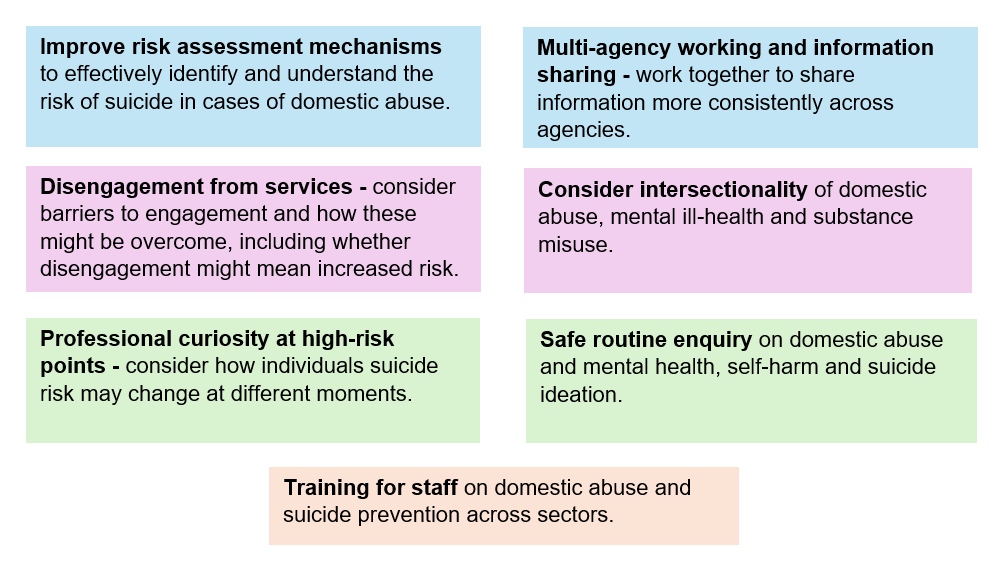
When assessing risk, professionals should actively look for key indicators that may increase vulnerability. Some of the most common risk factors include:
- Coercive and controlling behaviour
- Mental ill health
- Alcohol and drug misuse
- Relationship breakdown or fear of separation
By identifying these risks early, practitioners can intervene more effectively and provide tailored support to those affected.
The impact on children and young people
Children and young people living with domestic abuse are affected not only by the abuse itself but also by the devastating consequences that can follow, including parental suicide. Experiencing domestic abuse and bereavement can have a profound impact on a child’s emotional wellbeing, relationships, education and sense of safety. Professionals should consider the needs of children in all assessments and ensure that appropriate support is offered to help them recover from trauma and build resilience. Early intervention and coordinated safeguarding responses can help reduce longer-term harm.
Phyllis Daly’s heartbreaking story
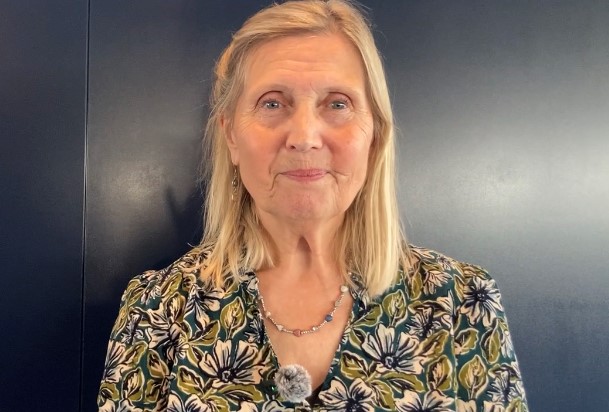
The SETDAB conference in November 2024, focused on exploring the links between domestic abuse and suicide. Among the speakers, Phyllis Daly (pictured) shared the heart breaking story of her daughter, Jessie Laverack, who died after experiencing domestic abuse.
Phyllis said, “Nobody acknowledged the link between domestic abuse and suicide. Empathy and compassion were lacking for my daughter. The perpetrator abused her, but the professionals failed to protect her.” Read the full story here.
Further learning
- Domestic Abuse Related Death Reviews involving suicide can help with learning and assist with identifying risks earlier, ultimately improving intervention strategies across local services.
- Tim Woodhouse estimates that over 1,800 lives are being lost in domestic abuse related suicides every year. His report aims to provide the first comprehensive examination of domestic abuse related suicides and their aftermath. It includes 66 recommendations to reduce domestic abuse related suicides.
- AAFDA toolkit summarises key findings from an analysis of 32 Domestic Homicide Reviews that involved death
by suicide and provides recommendations to those involved operationally. - The SET Professional Curiosity e-Learning helps professionals understand the importance of remaining curious whilst working with children, adults and families.
Support for professionals
Working with people affected by domestic abuse and suicide can be emotionally challenging and may impact practitioners’ own wellbeing. Professionals should make use of supervision, reflective practice opportunities and employee wellbeing support where available. Seeking support is an important part of maintaining professional resilience and ensuring that practitioners can continue to provide safe and effective support.
#LETSTALKABOUTSUICIDE
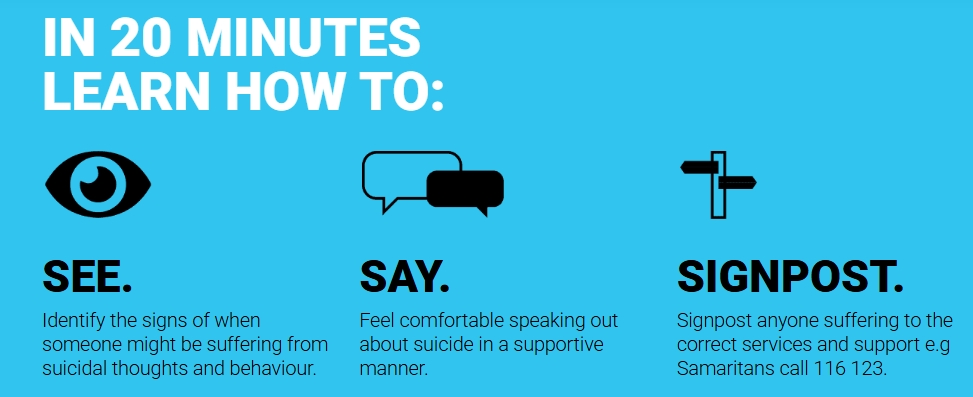
- TAKE THE TRAINING. SAVE A LIFE. – Anyone can suffer from suicidal thoughts but every one of us can make a difference. The #talksuicide campaign has been created by the Mid and South Essex Health and Care Partnership to reduce the stigma around talking about suicide and raise awareness of suicide prevention training available FREE to ALL from the Zero Suicide Alliance.
If you or someone you know needs support regarding these topics, help is available.
- If you have been affected by domestic abuse or need help to change abusive behaviour and would like information and advice please contact COMPASS, our single point of contact for local domestic abuse services.
- You can call the Samaritans 24 hours a day, 365 days a year. Call 116 123 for free.
Specialist support services
- Imkaan: A UK-based women’s organisation dedicated to addressing violence against Black and minority ethnic women and girls.
- Sistah Space: A charity supporting African and Caribbean heritage women affected by domestic or sexual abuse.
- Refuge: Provides specialist support for women and children experiencing domestic violence, including those from Black communities.
- Southall Black Sisters offer specialist support, advocacy and information to Asian and Afro-Caribbean women suffering abuse
- Karma Nirvana – 0800 5999 247 (specialist support for HBA and forced marriage).
- Galop & The National Domestic Abuse Helpline – support for LGBTQ+ people who have experienced abuse and violence
- ManKind Initiative provides an information and signposting service to men suffering from domestic abuse from their current or former wife, partner (including same-sex partner).
- What Remains provides survivor-led resources for women whose lives have been shaped by the suicide of someone who harmed them.