

Sexual abuse and sexual violence awareness week 2026 #ItsNotOk
Sexual abuse and sexual violence awareness week, taking place from 2 February until 8 February, is an opportunity to raise awareness and support survivors of abuse. You are not to blame. You are not alone. Help is available.
What is sexual abuse and violence
Sexual abuse and violence is any behaviour thought to be of a sexual nature which is unwanted, takes place without consent and causes distress. It can happen to anyone, regardless of age, gender, or background, and can involve someone the victim knows.
Sexual abuse and violence can be physical, psychological, verbal or online and can also include, but is not limited to:
- rape
- child sexual abuse
- sexual assault
- sexual abuse (this includes being pressurised or coerced into sexual activity you do not want to do)
- sexual exploitation
- image-based sexual abuse (non-consensual creation and/or distribution of private, sexual images and videos)
- grooming for sexual purposes
- female genital mutilation
- sexual harassment (both online and offline).
Source: (Ministry of Justice, published, 5 July 2022)
Understanding sexual abuse as a form of domestic abuse
Sexual abuse in a relationship is often about exerting power and control over a person, and causes severe emotional and psychological impacts. It involves any non-consensual sexual activity between intimate partners. This can include:
- Rape: Forcing a partner to engage in sexual acts without their consent.
- Sexual coercion: Manipulating or pressuring a partner into sexual activity.
- Degrading treatment: Treating a partner in a sexually demeaning manner.
- Control over reproductive health: Forcing a partner to become pregnant or to terminate a pregnancy against their will.
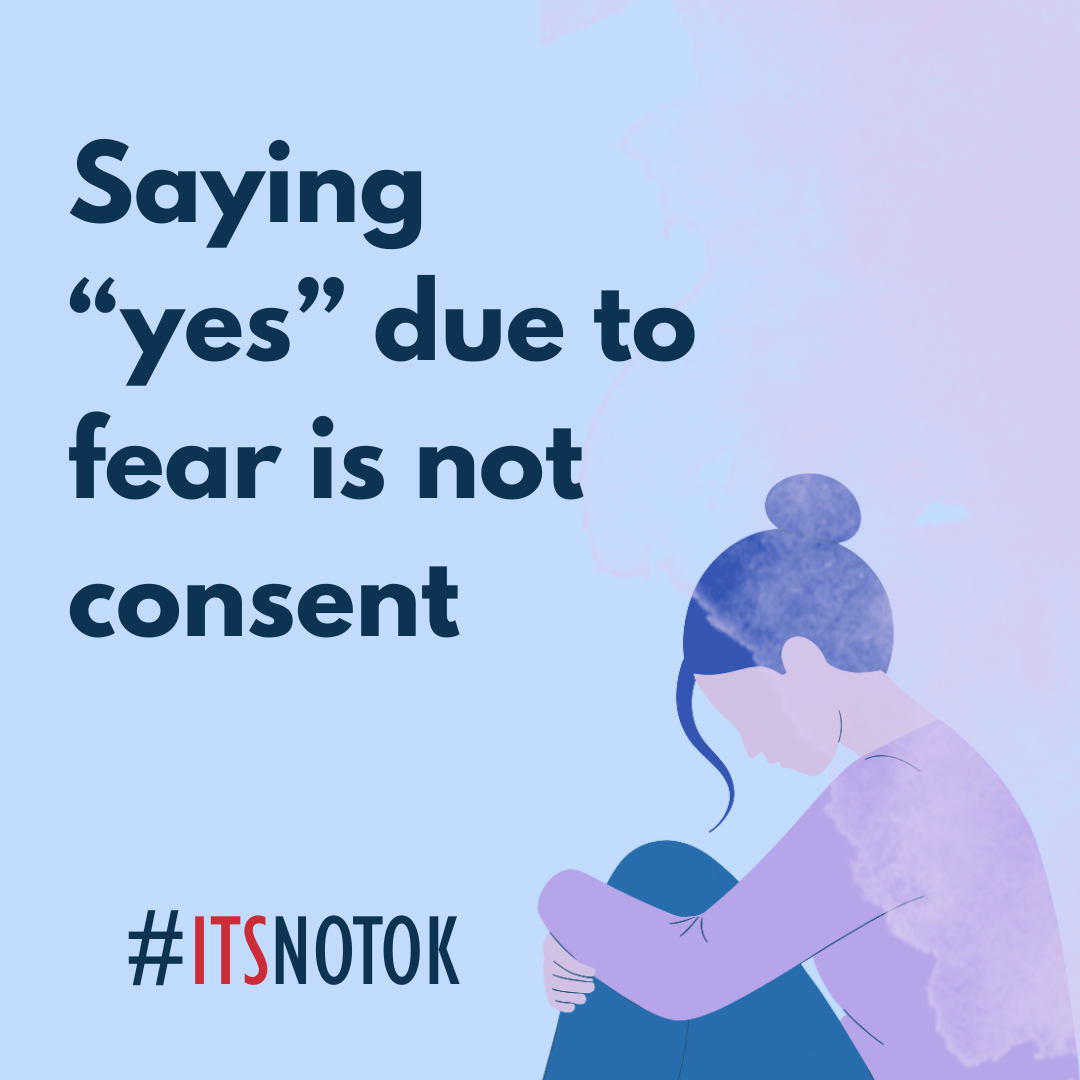
Consent is central to any sexual interaction and must be freely given with the understanding that it can be withdrawn at any time. Sexual abuse can occur when someone is pressured, threatened, or guilt‑tripped into sex; when sexual activity takes place while a person is asleep, intoxicated, ill, or afraid; or when they are forced to participate in sexual acts or behaviours against their will. Agreeing to sex because of fear, intimidation, or coercion does not constitute consent.
Within domestic abuse, sexual violence may be used as a means of asserting power and dominance, punishing or “disciplining” a partner, and reinforcing fear, humiliation, or dependency. Rather than occurring in isolation, sexual abuse is often part of a wider pattern of coercive control, where manipulation, intimidation, and control are used to maintain power over the victim.
Gaining support
If you have suffered sexual abuse or sexual violence at any time, please know you are not to blame in any way and it is not your fault. Taking the first step in reaching out for help can be difficult but please know there are people ready to listen and help. Reaching out to local support services can be the first step in ensuring your safety and getting help.
Relationship conflict, alcohol or stress, and a person’s clothing, behaviour, or sexual history never cause or justify abuse. The person who uses violence, coercion, or control is entirely accountable and responsible for their actions.
The following services offer free, independent and confidential support.
Local Support:
Compass is the domestic abuse helpline for Essex, and you can call them on 0330 333 7 444 or visit their website.
Synergy Essex: Provides comprehensive support for all forms of sexual violence and abuse, including advocacy, counselling, and Independent Sexual Violence Advisors (ISVAs) to assist through the criminal justice. You can call then on 0300 003 7777 or visit their website for more details.
National
National support can be found by visiting Support for victims of sexual violence and abuse – GOV.UK
Further information and support can also be found at Sexual Abuse Support – Sexual Abuse Support
Specialist Support
LGBT+ community
If you are a member of the LGBT+ community and experienced sexual assault, abuse, or violence, Galop runs a specialist helpline.
Telephone: 0800 999 5428
Email: help@galop.org.uk
National Male Survivor Helpline and Online Service
The National Male Survivor Helpline is a confidential helpline for male victims of sexual violence and abuse. They also provide emotional support via telephone, SMS (text), live chat and email. Telephone: 0808 800 5005.
Behaviour Change Support
Support is also available to help those using harmful behaviour to change from Compass RESET
If you are in immediate danger, always call 999.