

Understanding male victims of domestic abuse
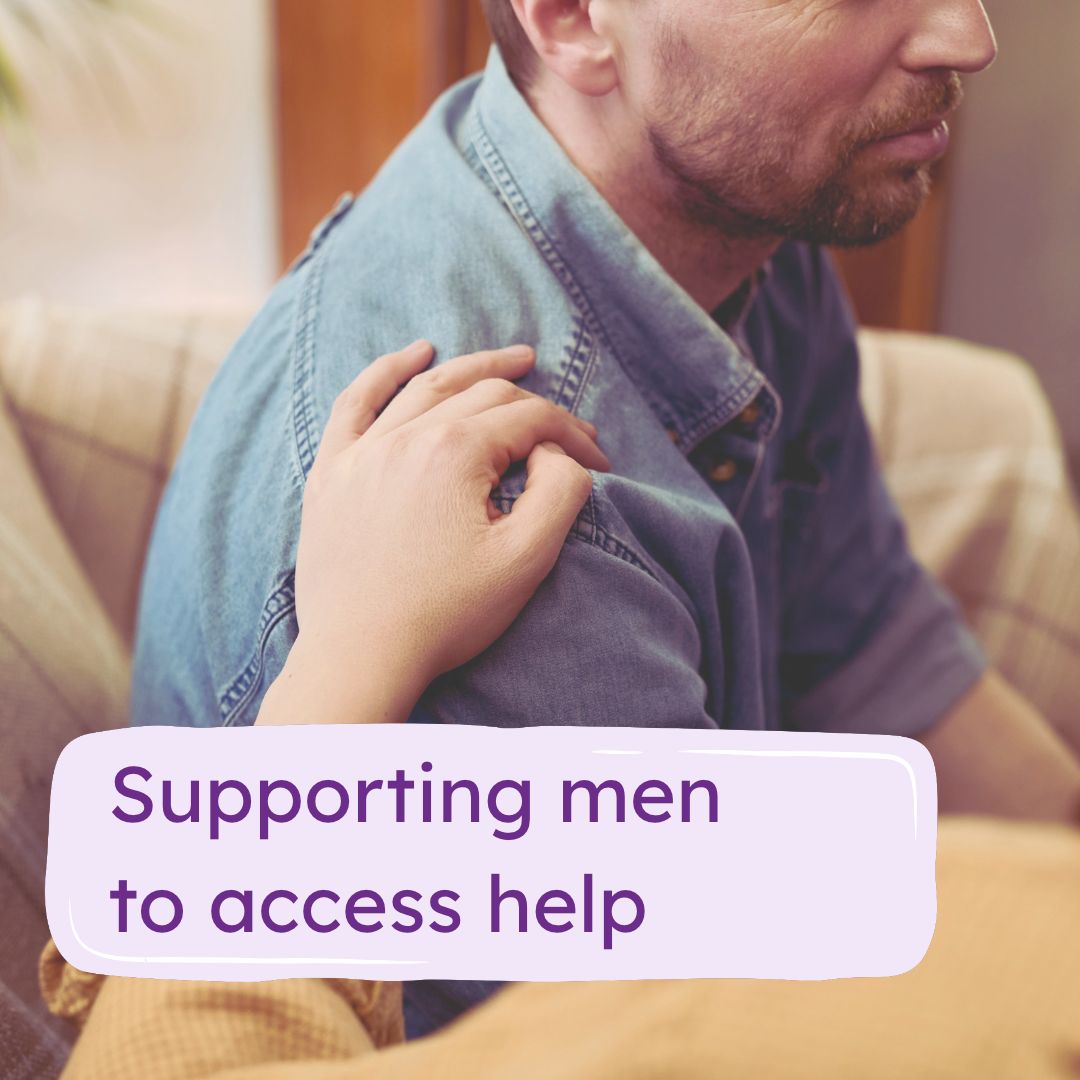
Resources to support professional understanding
Domestic abuse can affect anyone, regardless of gender. While women are disproportionately affected by domestic abuse, men also experience abuse and coercive control within intimate relationships and family settings.
As professionals, it is important to recognise the signs of abuse, understand the barriers male victim/survivors may face when seeking support, and ensure that responses are inclusive, trauma-informed and person-centred.
Understanding domestic abuse experienced by men
Male victims can experience all forms of domestic abuse, including:
- Psychological and emotional abuse
- Coercive and controlling behaviour
- Physical abuse
- Sexual abuse
- Economic abuse and controlling finances
- Stalking and harassment
- Technology-facilitated abuse
- Threatening or intimidating behaviour
- Threatening to harm children or pets
- Forcing engagement in criminal activity
- Family ‘dishonour’
- Isolation, limiting access to family and friends
- Depriving you of or controlling access to medical treatment, transport, education or employment
- Damaging property and/or personal belongings
- Threatening to disclose personal information
Domestic abuse can occur in heterosexual and same-sex relationships and may be perpetrated by current or former partners, as well as family members.
Barriers male victim/survivors may face
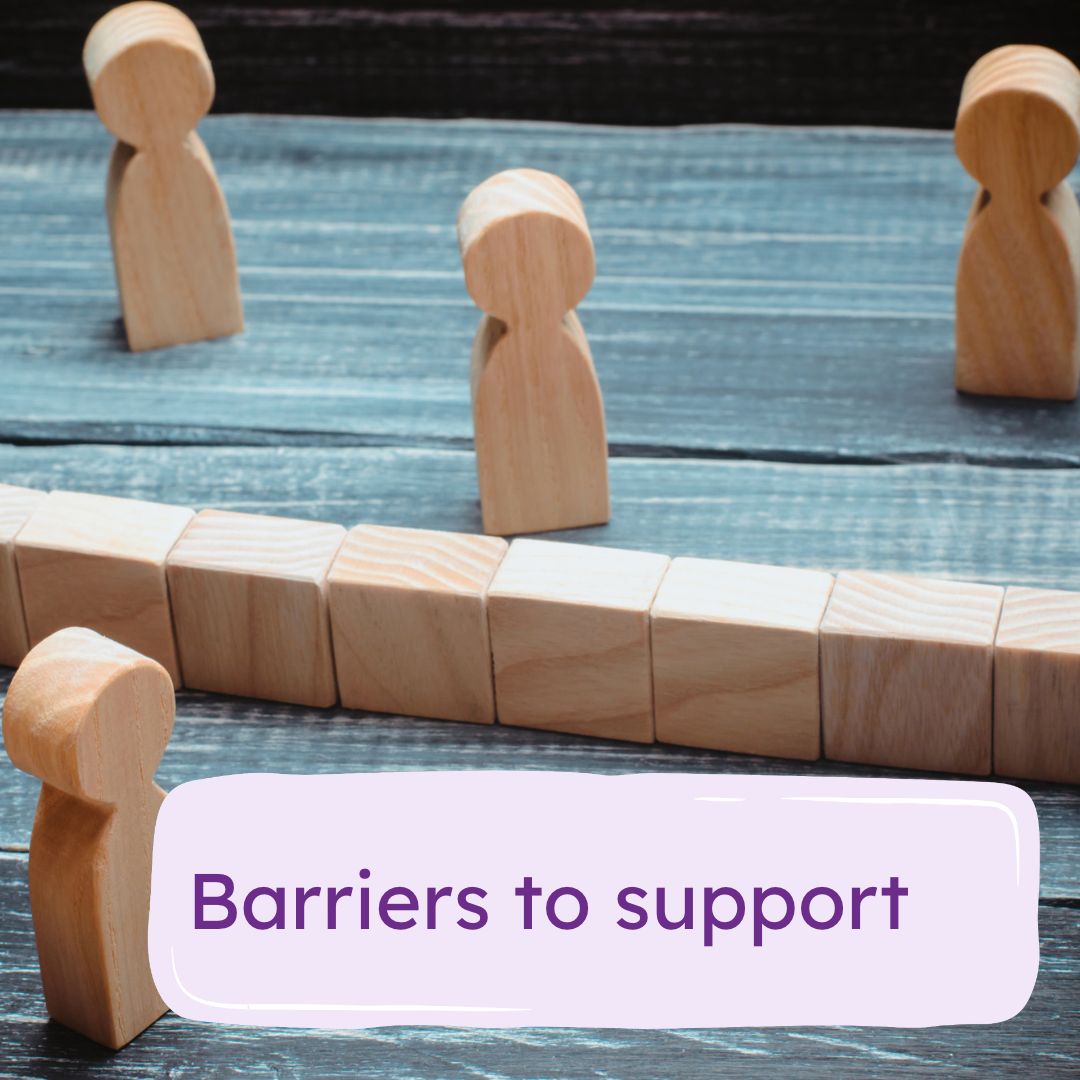
Many male victims do not seek help immediately. Some barriers can include:
- Feeling embarrassed or ashamed
- Fear that they will not be believed
- Concerns about being judged
- Lack of awareness that behaviours constitute abuse
- Worries about losing contact with children
- Fear of false allegations
- Thinking the abuse will just stop, or it’s a phase
- Limited understanding from family, friends or professionals
These barriers can result in abuse continuing for longer before support is accessed. Male victims may present with anxiety, depression, substance misuse, social isolation, workplace difficulties or physical injuries linked to abuse.
There are also some unique challenges for the LGBTQ+ community. Professionals should be aware of the additional barriers some survivors may face and ensure that support is inclusive, accessible and free from assumptions about gender, sexuality or identity.
Professional Curiosity
Good practice includes:
- Creating opportunities for safe and confidential conversations
- Asking open, non-judgemental questions
- Listening without making assumptions
- Recognising indicators of coercive control
- Understanding that abuse may not be physical
- Offering information about available support services
- Recording disclosures accurately and safely
A victim/survivor experience should always be taken seriously and assessed according to risk rather than gender.

When working with adults, children and families, consider:
- Would I recognise domestic abuse if the victim were male?
- Could gender stereotypes influence my assessment?
- Have I explored coercive control alongside physical abuse?
- Am I confident in signposting male victims to appropriate support?
Dewis Choice have created two short films exploring ‘one crucial moment’ and how conversations about domestic abuse can begin.
Lived experience and survivor voices
Hearing directly from survivors can help professionals better understand the realities of domestic abuse experienced by men.
Alex Skeel’s story
One of the UK’s most widely recognised male survivor stories is that of Alex Skeel, who experienced severe coercive control, isolation and physical abuse by a former partner. His case helped raise awareness of male victim/survivors of domestic abuse and the devastating impact of coercive and controlling behaviour.
Gareth’s story
In 2024, the BBC shared the story of Gareth, who experienced coercive and controlling behaviour from his former partner. Gareth described being isolated from friends and family, having his finances controlled, and being prevented from using the bathroom in his own home. His story highlights the significant impact that coercive control can have on a person’s wellbeing, independence and daily life.
Tom’s story
Tom, an Essex survivor, shared his experience of domestic abuse to help raise awareness that abuse can affect anyone, regardless of age or background. His story highlights the impact of coercive and controlling behaviour, the challenges victims can face in recognising abuse, and the importance of accessing support. By sharing his journey, Tom hopes to encourage others experiencing abuse to seek help and know that they are not alone.
Richard Spence
In the Channel 5 documentary My Wife, My Abuser, Richard Spence shares his experience of living with domestic abuse for more than 20 years. His story provides a powerful insight into the impact of coercive control and challenges common misconceptions about male victims/survivors of domestic abuse.
Help and Support

Compass – domestic abuse helpline
Compass is the domestic abuse helpline for across Essex, providing support, advice and signposting for anyone affected by domestic abuse, including male victims and members of the LGBTQ+ community.
You can also contact Compass if you are concerned about a family member, friend, colleague, or your own behaviour within a relationship. Call 0330 333 7 444
National Support
ManKind Initiative Support and information for male victims of domestic abuse. Helpline: 01823 334244
Respect Men’s Advice Line Confidential support for men experiencing domestic abuse. Helpline: 0808 801 0327
Galop offer emotional and practical support for LGBT+ people experiencing domestic abuse.